Electrolyte Powder Without Sugar for Workouts: What to Look For
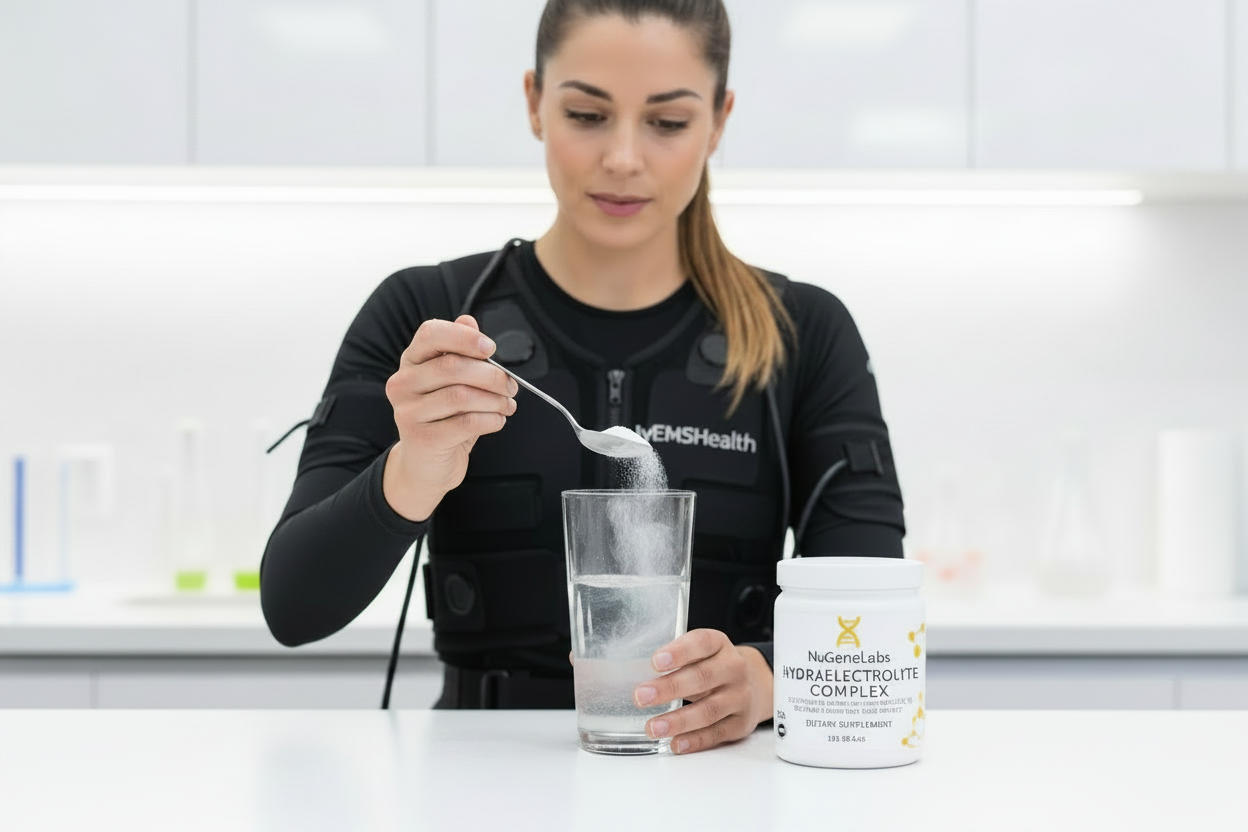
You finish a solid training session, drink plenty of water, and still feel off two hours later. Maybe it's a dull headache, tight calves, or a kind of fatigue that doesn't match how hard you actually worked. For a lot of active adults, the issue isn't that they forgot to hydrate. It's that water alone didn't replace what they lost in sweat.
Electrolyte powders can help fill that gap, but many popular options are loaded with sugar, artificial flavors, or unnecessary additives that don't fit a wellness-focused routine. If you've been looking for an electrolyte powder without sugar for workouts, you're not alone. Here is what actually matters when choosing one, and how to tell whether your current approach is keeping up with your training.
What to Know First About Electrolyte Loss During Workouts
When you sweat, you lose more than water. You lose sodium, potassium, magnesium, and smaller amounts of calcium and chloride. These minerals help regulate fluid balance, muscle contractions, and nerve signaling. When levels drop, even modestly, you may notice cramping, sluggishness, or recovery that drags longer than it should.
How much you lose depends on several factors: workout intensity, duration, temperature, humidity, and your individual sweat rate. Someone doing a 20-minute strength circuit in an air-conditioned studio has very different needs than someone training for 60 minutes in South Florida heat. Training type matters too. High-intensity methods like EMS fitness training can create significant muscle demand in a short session, and the sweat response can catch people off guard if they judge effort by duration alone.
Plain water replaces volume, but it does not replace minerals. Drinking large amounts of water without electrolytes can also leave some people feeling worse after a heavy sweat session because the balance they need was never fully restored.
When a Sugar-Free Electrolyte Powder May Make Sense
Traditional sports drinks were designed for endurance athletes burning through glycogen over hours of continuous activity. The sugar in those drinks serves a purpose in that context because it provides fast fuel. But for many active adults doing 30- to 60-minute sessions, whether that is strength training, Pilates, EMS, or HIIT (High-Intensity Interval Training), that extra sugar often adds more than they really need.
A sugar-free electrolyte powder makes more sense when your primary goal is replacing what you lost through sweat, not fueling a two-hour run. It also fits better for people who are mindful about sugar intake, those working on blood sugar balance, or anyone who does not want a sweet, syrupy drink as part of their daily routine.
This does not mean sugar in a hydration product is always bad. It means the decision should match your workout type, your goals, and how you prefer to fuel. For shorter, higher-intensity sessions and general daily hydration, sugar-free tends to be a more practical fit.
What to Look for in an Electrolyte Powder Without Sugar
Not all sugar-free electrolyte products are created equal. Some swap sugar for artificial sweeteners and fillers that are not much of an upgrade. Others under-dose the minerals that actually matter. Here is what to check:
A Complete Electrolyte Profile
Look for a product that includes sodium, potassium, and magnesium at minimum. Sodium is the primary mineral lost in sweat, so it should be present in meaningful amounts, not just a trace. Products that lean heavily on potassium or magnesium while barely including sodium may not be the best fit for workout-related losses.
Transparent Dosing
You should be able to see exactly how much of each mineral is in a serving. Proprietary blends that group everything under one total weight make it impossible to know whether you are getting a useful dose or a token amount. This matters especially with magnesium, where the form, such as glycinate, citrate, or oxide, can affect how well your body absorbs it.
Clean Ingredients
Sugar-free should mean more than just no table sugar. Check for artificial colors, excessive sweeteners, and long additive lists. A simpler formula with fewer unnecessary ingredients tends to be a better fit for people who take their overall wellness seriously.
Practical Serving Design
The product should be easy to mix, carry, and use consistently. Single-serve stick packs work well for gym bags and travel. Tubs work for daily home use. What matters most is that the format fits your routine well enough that you will actually use it regularly.
Common Mistakes People Make with Workout Hydration
Even people who take hydration seriously get tripped up by a few common patterns.
Waiting until they feel thirsty. By the time you notice thirst during or after a workout, you are already behind. Sipping an electrolyte drink before and during training, not just after, can help you stay ahead of losses instead of chasing them.
Overdrinking plain water. More water is not always better. Without electrolytes, high water intake can leave some people feeling flat or crampy because they still have not replaced what was lost.
Assuming cramps are always a hydration problem. Cramping can also come from fatigue, training load, poor sleep, or broader nutrition patterns. Hydration is a good starting point, but persistent cramps are worth looking at more carefully if they keep showing up despite consistent fluid and electrolyte intake.
Treating all workouts the same. A low-sweat yoga session does not call for the same hydration approach as an intense EMS workout or an outdoor run in July. Matching your hydration to the actual demand of the session helps you avoid both under- and overdoing it.
Who This May Be a Good Fit For
A sugar-free electrolyte powder is worth considering if you train regularly and sweat noticeably during sessions, prefer to keep sugar intake low, train in warm or humid environments, have noticed cramps or sluggish recovery that does not match your effort level, or are an active adult over 40 looking for a cleaner hydration option.
It is less critical if you train lightly, do not sweat much, and already get plenty of minerals through a well-rounded diet. Context matters, and more supplementation is not always the answer.
When Recovery Support and a More Personalized Approach May Help
Hydration is one piece of recovery, but it is not the whole picture. If you are training consistently and still dealing with fatigue, lingering soreness, or slow bounce-back between sessions, the bottleneck may be somewhere else entirely.
Sleep quality, overall nutrition, training load, and accumulated stress all affect how well your body recovers. Services like pressotherapy for recovery can complement good hydration habits by supporting circulation and helping the body manage the physical demands of regular training. For some clients, layering recovery strategies around their routine makes a bigger difference than any single product.
If hydration issues or cramps keep showing up despite doing the basics well, it may be worth discussing basic lab work with a qualified provider to see whether mineral status or another factor could be contributing. Better information can help you focus on what your body actually needs.
Final Takeaway
Choosing an electrolyte powder without sugar for workouts does not need to be complicated. Look for a clean formula with transparent dosing, a solid sodium-potassium-magnesium profile, and a format that fits your daily routine. Match your hydration approach to the actual demands of your training rather than following a one-size-fits-all recommendation.
Hydration is just one part of a broader recovery strategy. Sleep, nutrition, training load management, and targeted recovery support all work together.
If you are looking for options that align with a cleaner approach to workout hydration and recovery, you can explore hydration and recovery support designed for active adults who take their training seriously.
Frequently Asked Questions
Is sugar-free electrolyte powder effective enough without the carbs?
For most workouts under 60 to 90 minutes, yes. The sugar in traditional sports drinks is designed to provide quick fuel during prolonged endurance activity. If your sessions are shorter and focused on strength, EMS, or moderate cardio, a sugar-free option can replace what you lose in sweat without the extra calories or blood sugar spike.
How do I know if I actually need electrolytes or just more water?
If you are drinking plenty of water but still experiencing cramps, fatigue, headaches after training, or a generally flat feeling, mineral loss may be part of the issue. Heavier sweaters, people who train in heat, and those who rely heavily on coffee or low-sodium diets tend to benefit most from adding electrolytes rather than simply increasing water volume.
Can I use a sugar-free electrolyte powder every day or only on training days?
Daily use can be reasonable for many people, especially if you are active, live in a warm climate, or tend to under-consume key minerals through food. Just pay attention to your total sodium and mineral intake across your overall diet. On non-training days, a lower dose or half serving may be enough.
What is the difference between electrolyte tablets and electrolyte powder?
Both deliver minerals, but powders tend to offer more dosing flexibility and often include a broader electrolyte profile. Tablets can be convenient for travel but sometimes contain more fillers and binding agents. Check the label on either format and choose based on ingredient quality and routine fit.

About the Author
Evgenia Huldisch
Founder of MyEMSHealth | Longevity Coach | Fitness Expert
Certified Longevity Coach (CLC), EMS Certified Trainer, 3X4 Genetics Certified Practitioner, QSI Detoxification Certified Practitioner
Evgenia Huldisch is the founder of MyEMSHealth, a longevity coach, and a fitness expert specializing in healthy aging, recovery, and personalized wellness strategies. She helps clients build practical habits around nutrition, movement, recovery, and behavior change to support stronger, healthier lives.